

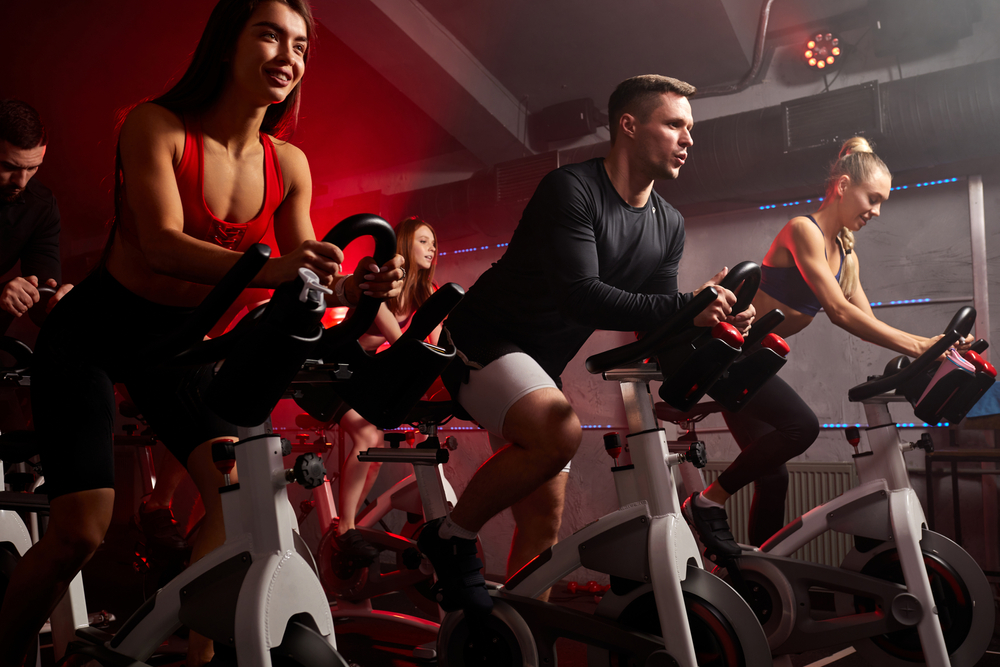
Indoor cycling has evolved from basic stationary biking into a more connected and performance-focused fitness experience. Smart bikes, wearable devices, digital tracking and class technology are changing how riders understand effort, progress and training intensity. These tools make indoor cycling more measurable, personalised and motivating.
For people exploring indoor cycling singapore, technology can add another layer to the workout experience. Riders can track cadence, resistance, heart rate, output and class consistency. When used wisely, these metrics help riders train smarter and stay more engaged.
Smart bikes create measurable training
Traditional cycling classes rely mostly on feel, music and instructor cues. These are still important, but smart bikes can add measurable feedback. Riders may see cadence, resistance, distance, power or estimated output.
This data helps riders understand how they are performing. Instead of guessing effort, they can observe patterns and adjust accordingly.
Measurable training is useful because progress becomes clearer. Riders can see whether they are maintaining stronger cadence, handling more resistance or improving endurance.
Cadence tracking improves rhythm
Cadence shows how quickly the pedals turn. In indoor cycling, cadence often connects to the music and class structure. Tracking cadence helps riders stay aligned with the session.
A rider may notice they slow down during climbs or lose rhythm during fast sections. This awareness can help them improve control.
Cadence tracking also helps riders avoid chaotic pedalling. Smooth rhythm is often more useful than uncontrolled speed.
Resistance data improves effort control
Resistance determines how hard the pedals feel. Smart bike feedback can help riders understand whether they are working at an appropriate challenge level.
Too little resistance may make the ride unstable. Too much resistance may slow movement and affect form. Data can help riders find a better balance.
In instructor-led classes, resistance cues combined with rider awareness create a more effective workout.
Heart rate adds intensity insight
Many riders use wearable devices to track heart rate during cycling. Heart rate helps show how hard the cardiovascular system is working.
This can be useful for pacing. During intense sections, heart rate may rise. During recovery, it should gradually settle. Over time, riders may notice improved recovery and better stamina.
Heart rate should be used as a guide, not a source of pressure. Personal fitness level, sleep, stress and hydration all affect heart rate response.
Performance metrics can improve motivation
Progress in fitness is not always visible immediately. Metrics provide small signs of improvement. A rider may complete a class with stronger resistance, recover faster or maintain better cadence than before.
These small wins can improve motivation. They show that effort is producing results.
A professional fitness environment such as True Fitness Singapore can support this connected training experience by combining structured cycling classes with a motivating class atmosphere.
Technology supports personalisation
Not every rider has the same goal. Some want endurance. Others want fat loss support, stress relief, conditioning or general health. Metrics allow riders to personalise effort.
A beginner may focus on completing class with steady cadence. An experienced rider may focus on output, resistance and heart rate zones. Someone returning after a break may track consistency.
Technology helps each rider define progress in a way that matches their stage.
Data should not replace body awareness
Metrics are useful, but riders should still listen to their bodies. A number may suggest strong performance, but the rider may feel dizzy, overly fatigued or uncomfortable. In that case, intensity should be adjusted.
Technology cannot fully understand sleep, stress, nutrition or discomfort. Riders should combine data with personal awareness and instructor guidance.
Smart training means using numbers wisely, not blindly.
The future of indoor cycling is connected
Indoor cycling will likely become even more connected through apps, wearable integration, digital leaderboards, personalised ride data and smarter class systems. These tools can make training more engaging and measurable.
However, the heart of indoor cycling will remain the class experience. Music, coaching, rhythm and group energy still matter.
The future is not technology replacing the ride. It is technology enhancing the ride.
FAQ
I see cadence and resistance numbers but do not know what they mean. What should I focus on first?
Start with smooth pedalling and instructor cues. Use cadence to follow rhythm and resistance to create stable challenge. Do not worry about every number immediately.
My heart rate gets high during climbs. Is that normal?
Yes, climbs can raise heart rate because resistance increases effort. Reduce intensity if you feel dizzy, uncontrolled or unable to maintain form.
Should I compare my cycling metrics with other riders?
It is better to compare with your own past performance. Fitness level, body size and experience vary. Personal progress matters more than ranking.
Can smart bike data help me improve faster?
It can help you train with more awareness, but consistency, recovery and proper effort still matter. Data supports progress, but it does not replace regular training.
Conclusion
Smart bikes and performance metrics are shaping the future of indoor cycling by making effort more measurable and personalised. Cadence, resistance, heart rate and output can help riders understand progress and train with better awareness.
For people in Singapore, technology-enhanced indoor cycling can make cardio more engaging and structured. When metrics, coaching and music work together, the cycling experience becomes smarter, more motivating and more sustainable.