

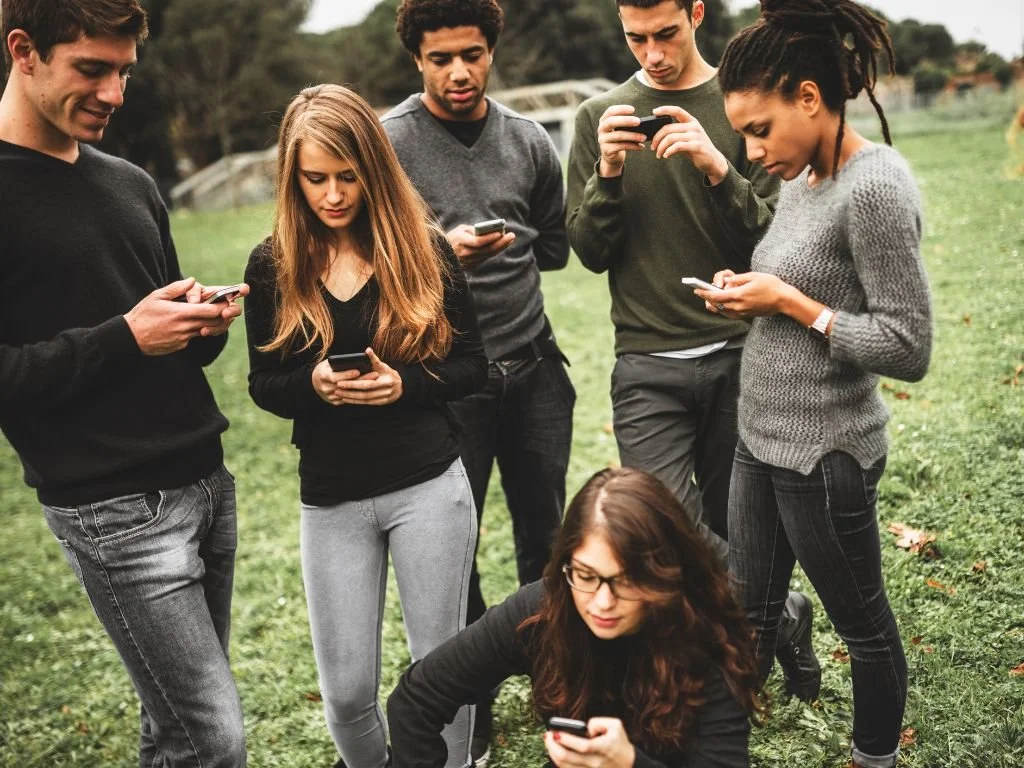
Introduction to Social Media
Social media has transformed how people communicate, share information, and build relationships. From personal conversations to global movements, these platforms have become an integral part of modern life. What started as simple networking tools has evolved into powerful ecosystems influencing culture, business, and public opinion.
What Is Social Media?
Social media refers to digital platforms and applications that allow users to create, share, and interact with content in real time. These platforms are built around user participation, community engagement, and instant communication.
Common characteristics include:
-
User-generated content such as posts, photos, and videos
-
Interactive features like comments, likes, and shares
-
Network-based connections between individuals, brands, and communities
The Role of Social Media in Everyday Life
Social media plays a central role in daily routines, shaping how people stay informed and connected.
Communication and Relationships
-
Enables instant communication across borders
-
Helps maintain personal and professional relationships
-
Encourages collaboration and community building
Information and Awareness
-
Provides real-time news and updates
-
Amplifies social issues and public discussions
-
Acts as a platform for education and knowledge sharing
Social Media and Business Growth
For businesses, social media is no longer optional—it is a strategic necessity.
Brand Visibility and Marketing
Companies use social platforms to:
-
Build brand awareness through consistent content
-
Engage directly with customers
-
Promote products and services cost-effectively
Customer Engagement and Feedback
-
Two-way communication builds trust
-
Instant feedback improves products and services
-
Personalized interactions enhance customer loyalty
Psychological and Social Impact
While social media offers many advantages, its influence on mental and social well-being is complex.
Positive Effects
-
Encourages self-expression and creativity
-
Creates support networks and communities
-
Provides opportunities for learning and inspiration
Potential Challenges
-
Overuse may lead to stress or reduced attention span
-
Comparison culture can affect self-esteem
-
Privacy and data security concerns remain significant
Ethical Considerations and Responsibility
Responsible use of social media is essential for individuals and organizations alike.
Key areas of concern include:
-
Data privacy and user consent
-
Misinformation and content moderation
-
Digital well-being and healthy usage habits
The Future of Social Media
Social media continues to evolve alongside technology and user expectations.
Emerging trends include:
-
Increased focus on privacy and transparency
-
Greater use of artificial intelligence for content personalization
-
Growth of niche and community-driven platforms
These developments suggest a shift toward more meaningful and secure digital interactions.
Conclusion
Social media is a powerful force that shapes communication, culture, and commerce. When used thoughtfully, it can connect people, support businesses, and spread knowledge. Understanding its impact and practicing responsible usage are key to benefiting from its potential while minimizing risks.
Frequently Asked Questions (FAQs)
1. How does social media influence public opinion?
Social media shapes public opinion by rapidly spreading information, amplifying voices, and encouraging discussions on social, political, and cultural topics.
2. Can social media be beneficial for small businesses?
Yes, social media allows small businesses to reach targeted audiences, build brand identity, and engage customers without large marketing budgets.
3. What are the biggest privacy risks on social media?
Major risks include data misuse, unauthorized tracking, and exposure of personal information through weak privacy settings.
4. How does social media affect productivity?
Excessive use can distract users and reduce focus, but disciplined and purposeful usage can enhance collaboration and information access.
5. Is social media suitable for professional networking?
Many platforms support professional networking by enabling knowledge sharing, career opportunities, and industry connections.
6. How can individuals use social media responsibly?
Responsible use involves setting time limits, verifying information before sharing, protecting personal data, and maintaining respectful communication.
7. Will social media continue to grow in the future?
Yes, social media is expected to grow and adapt, driven by new technologies, changing user behaviors, and increased demand for digital interaction.